














€79.00Price
- New
- New
Solar modules / Solar panels
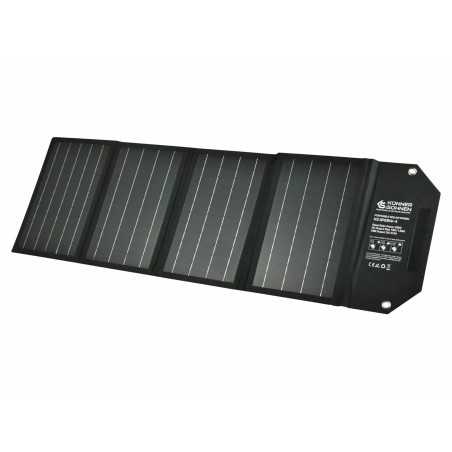
Designed for USB-C charging.
Extremely compact.
Weatherproof – come rain or shine.
Up to 25 per cent conversion efficiency.
€79.00Price



21 products
Since 1 January 2023 a VAT rate of 0 % applies to certain photovoltaic products.
Up to 30 kWp no proof is required. The conditions are deemed met if the installed gross capacity of the system according to the Marktstammdatenregister does not and will not exceed 30 kilowatts (peak).
If the goods are not bought for a photovoltaic system — for camping, travel or resale, for example — the regular rate applies. Choose 19 % VAT in that case.
Should the conditions not have been met despite your confirmation, the statutory VAT may be charged afterwards.
Text of the law: § 12 (3) UStG. We do not provide tax advice — if in doubt, please consult your tax adviser.
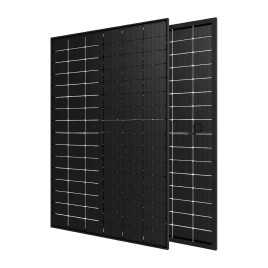
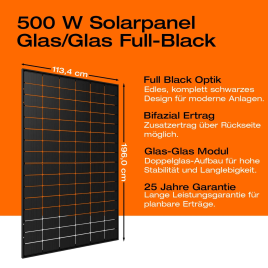
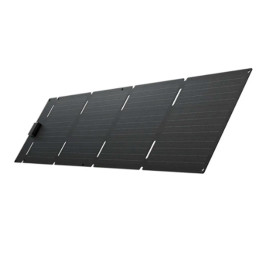
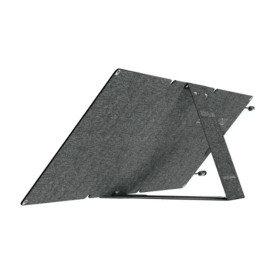
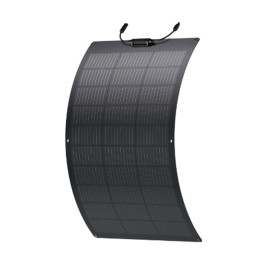
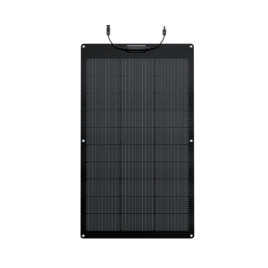
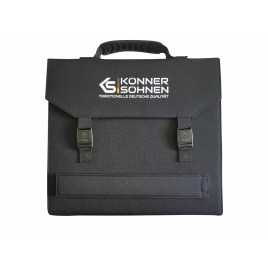
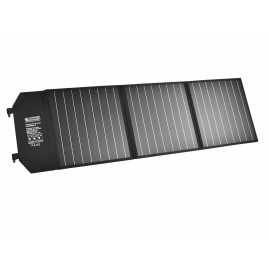
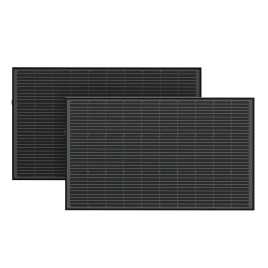
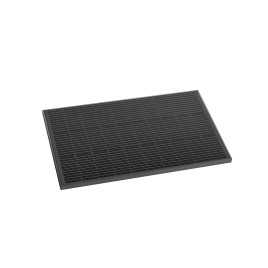
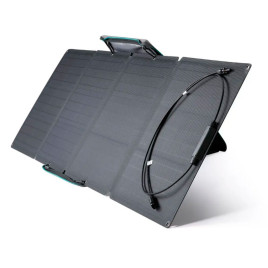
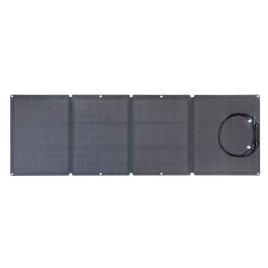
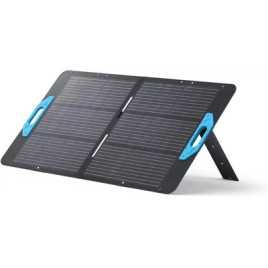
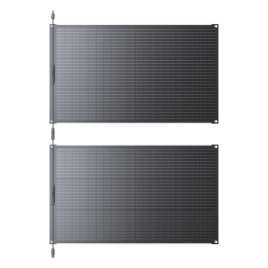
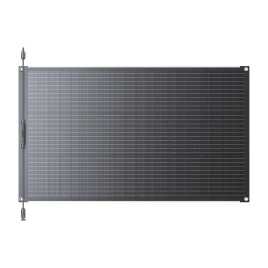
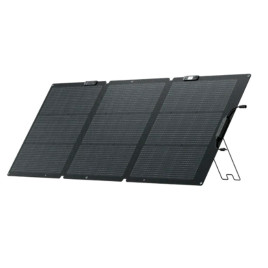
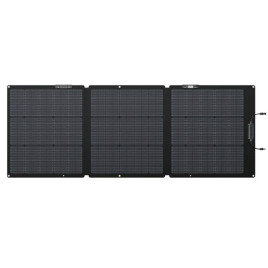
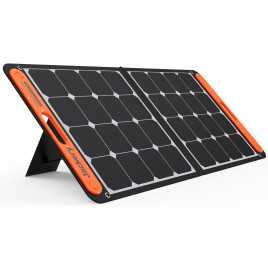
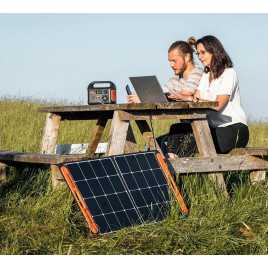
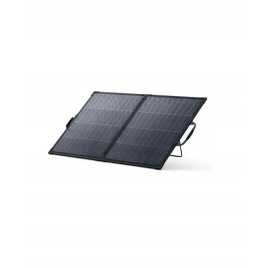
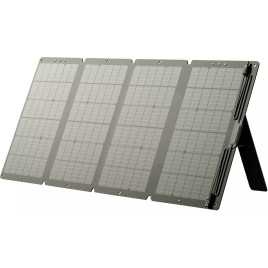
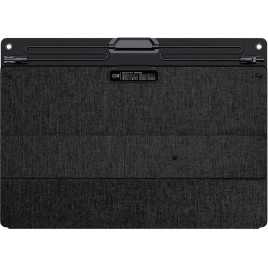
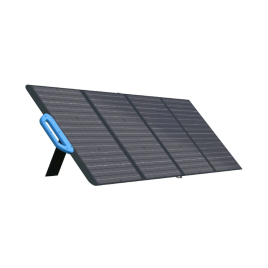
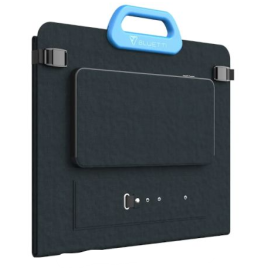
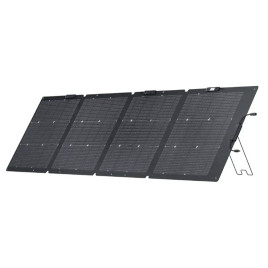
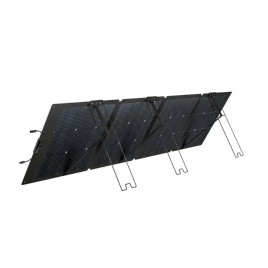
Solar panels are a modern, environmentally friendly solution for backup (or even permanent) power supply. A solar panel uses energy from the sun and converts it into a standard 220 V power supply.
To understand the subject of solar panels, it is worth looking at it step by step - what types are available, what they are suitable for, what is best to use and what they can be combined with.
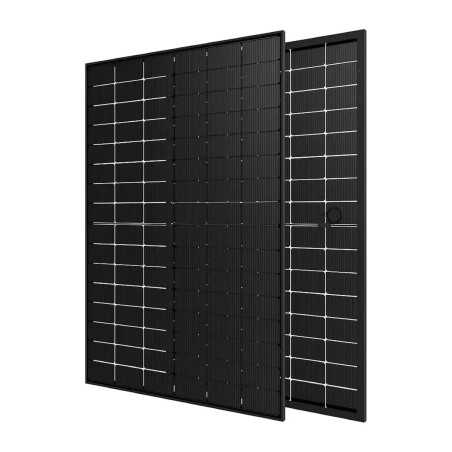
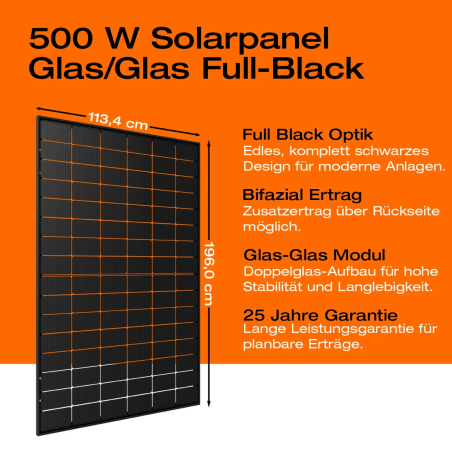
A solar panel is, in fact, the same thing as a solar module. This term refers to a complete unit consisting of interconnected photovoltaic cells (solar cells), which convert solar energy into electricity.
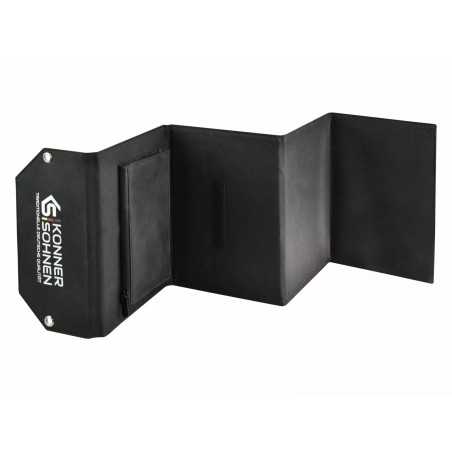
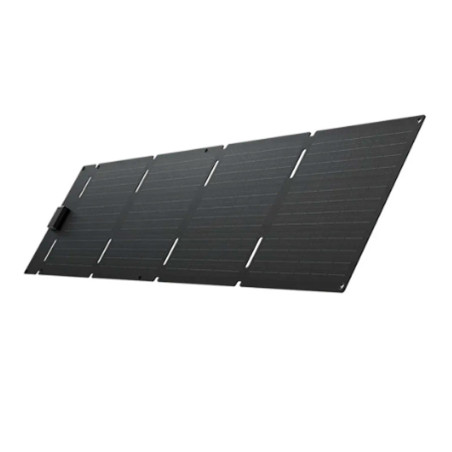
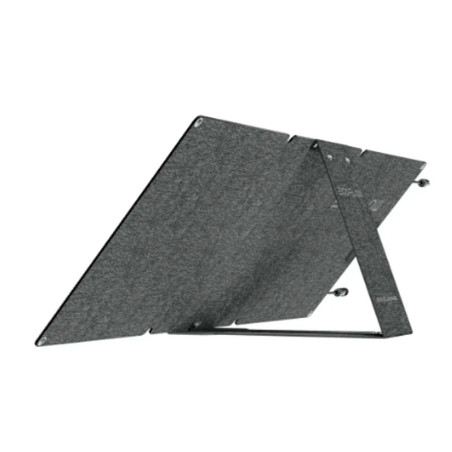
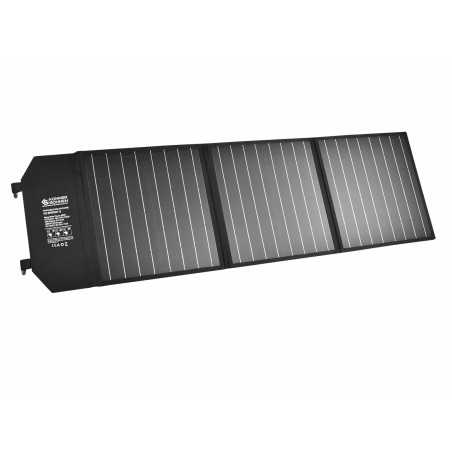
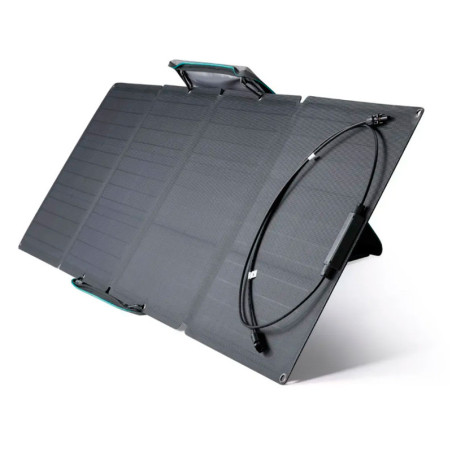
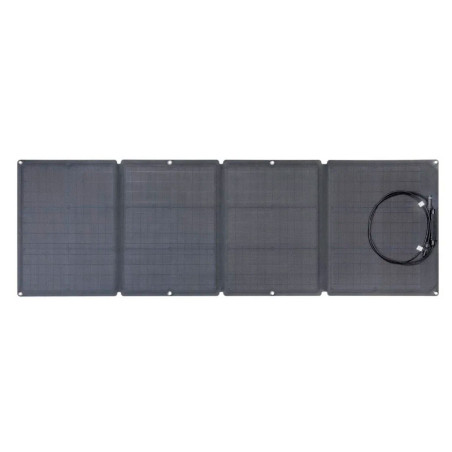
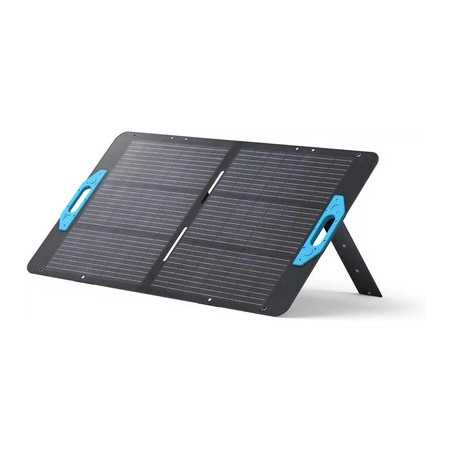
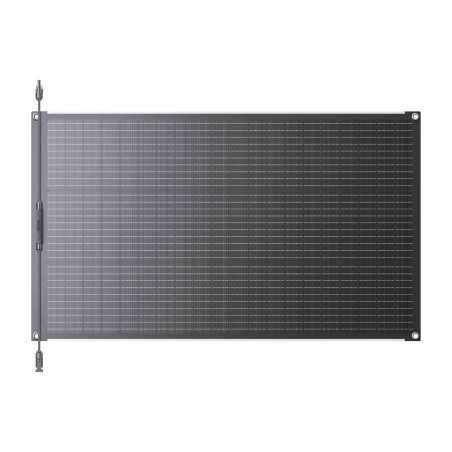
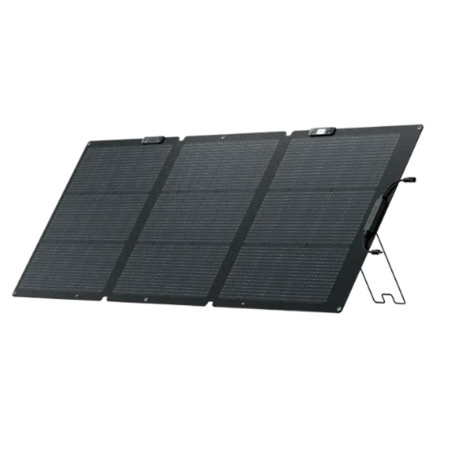
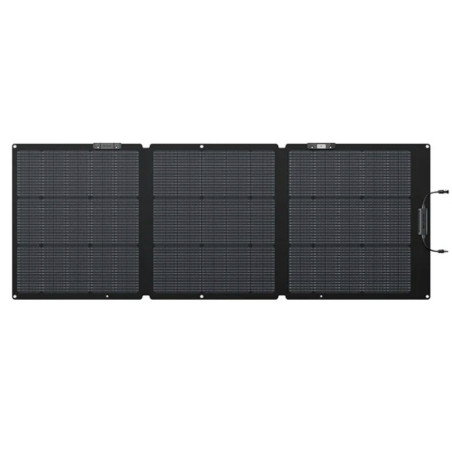
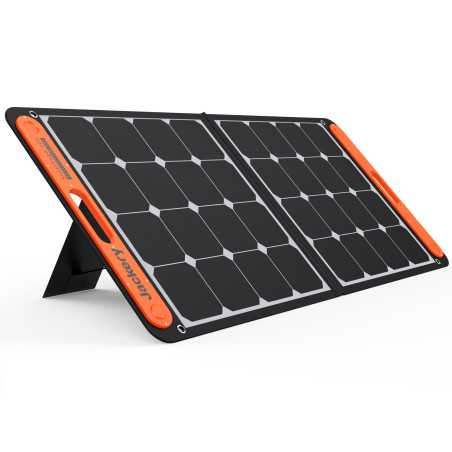
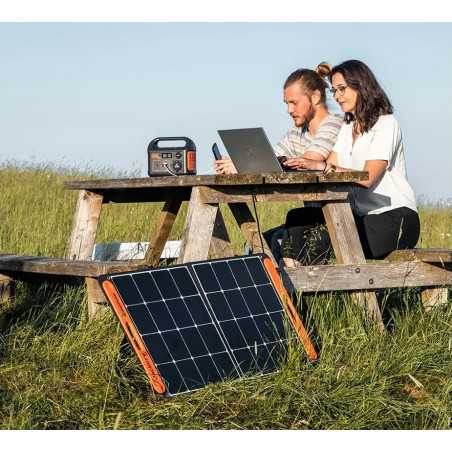
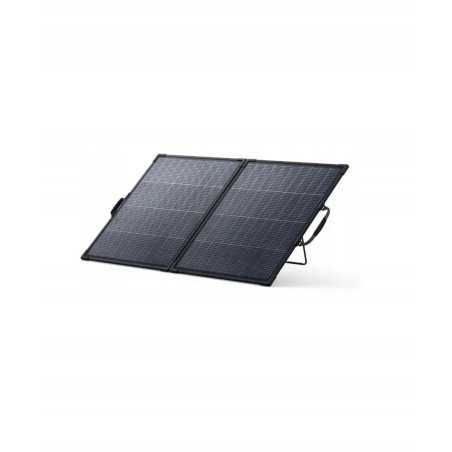
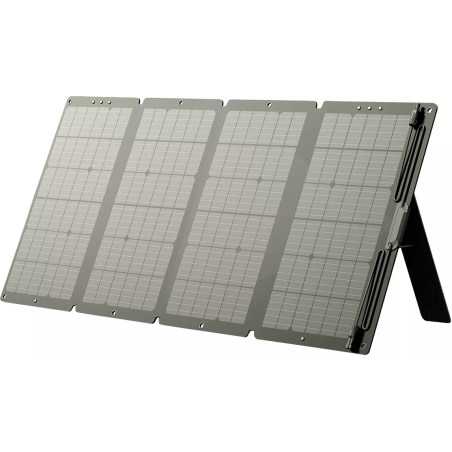
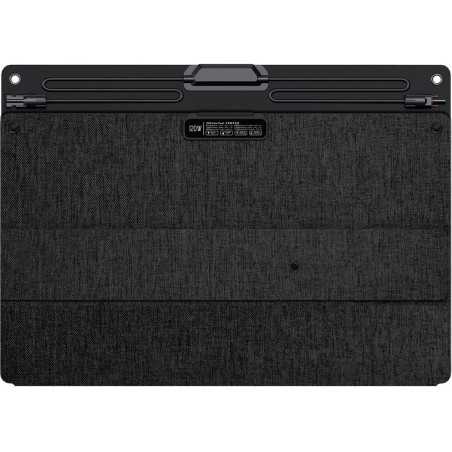
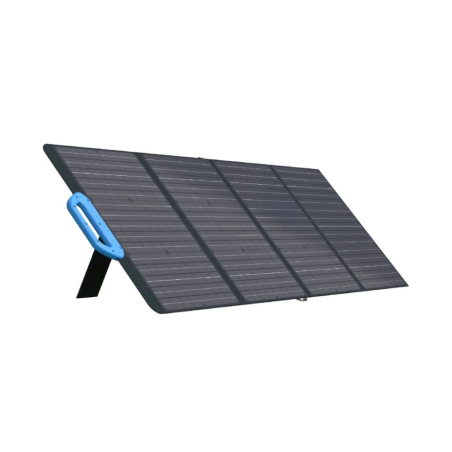
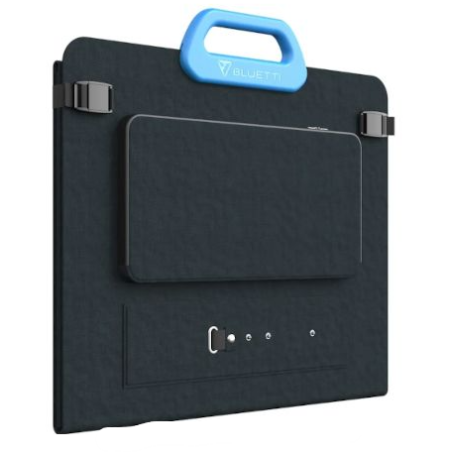
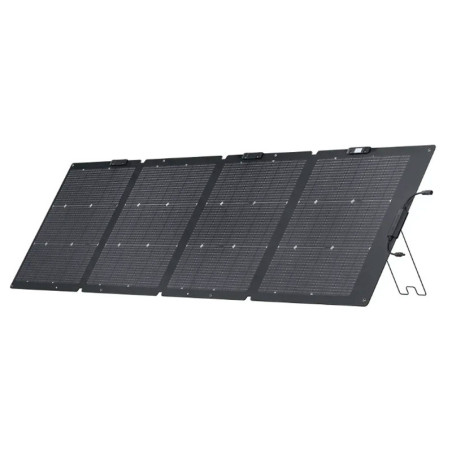
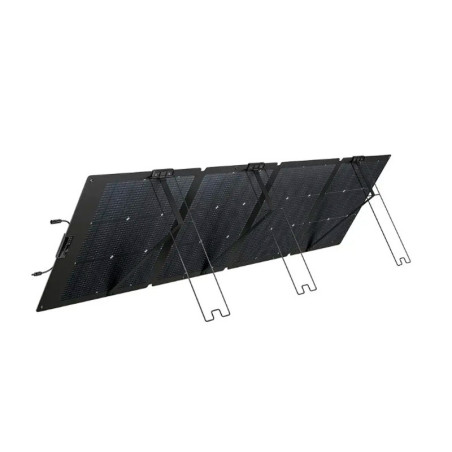
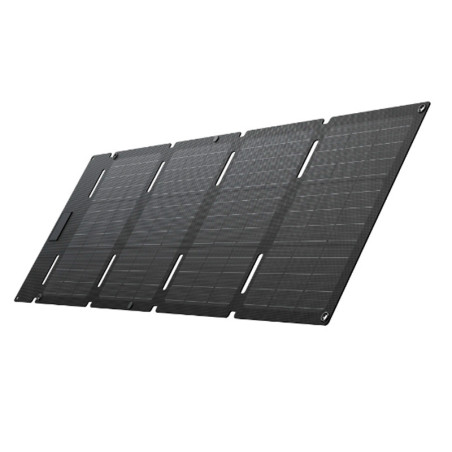
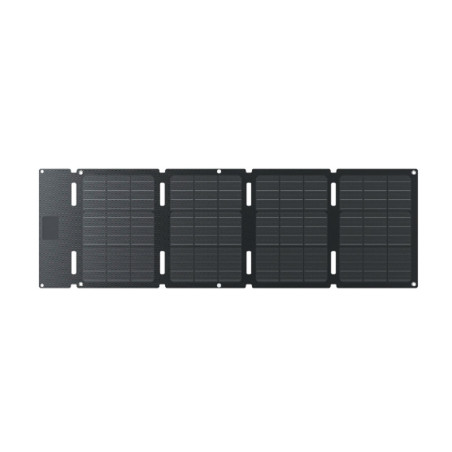
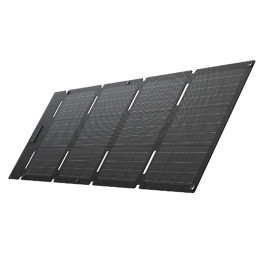
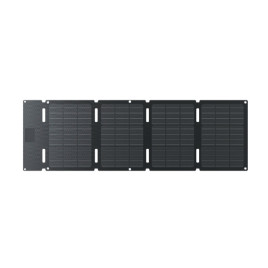
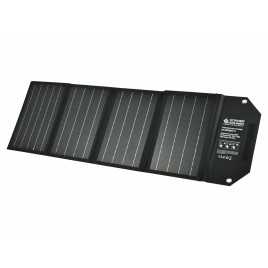
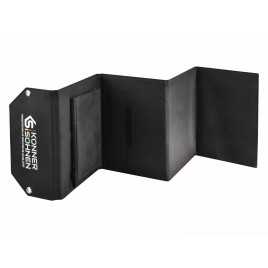
You will often come across the term portable solar panel. It is the same type of panel, but it can easily be used not only as a stationary solution (on the facade or roof of a house, for example), but also on the go. They are usually compact, easy to fold and weigh just a few kilograms, making them convenient to use outdoors. Such portable solar panels are used to charge small devices (phones, torches, power banks, etc.). There are also more powerful models (100-400 W) capable of charging portable power stations. This combination makes it possible to power appliances and devices such as refrigerators, laptops and more. Most manufacturers provide convenient mounting options and design their panels to be compact and easy to transport.
All foldable solar panels, like stationary ones, are designed with challenging weather conditions in mind - wind, rain, snow and dust. Manufacturers use several protection ratings for panels, such as IP65, IP67 and IP68. These indicate the level of protection against dust and water. A high protection rating can help ensure reliable panel performance and durability. IP68 is the highest of these protection ratings and allows a panel to withstand prolonged immersion in water.
Mechanical impact resistance is also rated separately. It indicates the level of protection against impacts such as hail or falling branches. There are two main ranges: IK07-IK08 and IK09-IK10. The first, IK07-IK08, can withstand moderate impacts. IK09-IK10 is currently considered the highest level of impact and vandal resistance.
A solar module is designed to operate in all weather conditions. However, when purchasing one, be sure to check its protection rating - the higher it is, the more robust the panel will be.
A solar panel for charging small devices may have a power output of 10-30 W. This is a good option as an additional power source both at home and outdoors. Naturally, the efficiency of the panel depends on the weather. All models, regardless of power output, must be positioned correctly in direct sunlight. Cloudy weather can reduce panel efficiency to around 10-30%.
Solar panels for portable power stations are more powerful and, accordingly, considerably more expensive than panels designed for charging small devices. However, the combination of a panel and a portable power station provides almost complete independence from the mains electricity supply. There are stationary solutions for homes and flats, as well as portable options for outdoor activities or camping.
Before buying solar panels, decide on your budget and requirements. Consider what devices you want to power, whether you plan to use the panel only at home or also as a portable option that you can take with you.
If you are considering a panel for charging a power station, check whether it has the necessary connectors. For small devices, a standard USB port is sufficient, while for a portable power station, you need to make sure there is a compatible solar connector, such as MC4/DC. It is also advisable to buy the panel and power station from the same manufacturer. In this case, you can be confident that they are compatible and, in the event of a fault or damage, you will be able to contact the company for assistance.
Solar panels with delivery throughout the UK, Germany and the rest of Europe can be purchased from our specialist shop. Here, you can always get professional advice from a specialist who will help you choose the most suitable option, explain all the advantages and disadvantages, as well as the finer details.
You can order a solar module to suit your specific needs. It is a good and environmentally friendly solution. The versatility of modern panels makes it possible to combine different options for a wide range of purposes.
We recommend buying a solar panel for a portable power station from us, as we are an official representative of some of the best-known solar panel brands. This gives you access to technical support and confidence that your equipment is covered by warranty, while also making it easier to select additional equipment in the future.