

















Information on batteries and used batteries
Date: 22 September 2026
Information pursuant to Article 74 of Regulation (EU) 2023/1542 (EU Battery Regulation) and Section 24 of the Battery Act Implementation Act (BattDG).
1 Which of our products contain batteries
We sell batteries individually and as part of devices, in particular:
- power stations and additional batteries (usually lithium batteries),
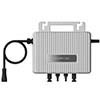
- inverters with storage and battery storage systems for solar installations (usually lithium batteries),
- Generators with electric or automatic start (starter battery, often a lead-acid battery).
2 Used batteries do not belong in household waste
You must not dispose of used batteries in household waste or general waste. As an end user, by sorting your waste, you are helping to ensure that used batteries are handled safely and that valuable raw materials such as lithium, cobalt, nickel and lead can be recovered.
3 Where you can return used batteries free of charge
You can return used batteries free of charge:
- at our premises: Please contact us before returning them at support-team@generator.eu or +49 89 20175987. We will let you know how the return process works. Due to the risk of fire, lithium batteries and larger batteries cannot simply be sent by post; we will arrange safe transport with you;
- at your local authority’s collection points (recycling centres) in your town or municipality;
- at collection points in shops, for example in shops that sell batteries.
Before disposing of an electrical appliance, please remove any batteries and rechargeable batteries that can be removed without damaging the appliance, and return them separately.
4 Safe handling of used batteries, particularly lithium batteries
- Lithium batteries may catch fire or explode if damaged, short-circuited or overheated. Therefore, never dispose of them in household waste and do not damage them.
- Before returning them, cover the terminals (contacts) of lithium batteries with adhesive tape to prevent a short circuit.
- Store used batteries in a dry, cool place and out of the reach of children.
- Do not recharge or use batteries that are damaged, swollen, hot or leaking. Store them separately on a non-flammable surface and take them to a collection point as soon as possible. Make sure to point out the damage when handing them in.
- Lead-acid batteries (starter batteries) contain corrosive acid. Transport them in an upright position and avoid skin contact with any leaking fluid.
5 How to extend the service life of your batteries
Using a battery for longer helps to reduce waste. To do this, follow the manufacturer’s operating instructions, in particular:
- Only use the charger specified by the manufacturer.
- Do not expose batteries to extreme heat or severe frost.
- If devices with lithium batteries are not in use for a prolonged period, store them at a moderate state of charge, as recommended by the manufacturer, and recharge them regularly.
- Recharge starter batteries from rarely used generators regularly.
Batteries that are no longer fit for their original purpose may, in some circumstances, be repaired, reconditioned or reused for another purpose. Please consult the manufacturer of your device for further information.
6 Meaning of the symbols on batteries
The crossed-out wheelie bin symbol means: The battery must not be disposed of with household waste but must be collected separately.
Chemical symbols may also appear beneath the bin:
- Cd – the battery contains more than 0.002% cadmium,
- Pb – the battery contains more than 0.004% lead.
7 Environmental and Health Impacts
Batteries may contain substances that are hazardous to the environment and human health, such as lead, cadmium, acids or flammable electrolytes. If used batteries are dumped in the countryside or disposed of with household waste, these substances can leach into the soil and water. Damaged lithium batteries can also cause fires in refuse collection vehicles and waste treatment facilities, thereby endangering people. Separate collection prevents these risks and allows the raw materials to be reused.
8 Further information from manufacturers
Further information on individual battery models, take-back schemes and reuse is provided by the manufacturers or their producer responsibility organisations. You will find this information in the user manual for the relevant product.