














- New



The zero VAT rate under § 12 (3) UStG applies only to deliveries to Germany. Current delivery address: Germany.
Since 1 January 2023 a VAT rate of 0 % applies to certain photovoltaic products.
Up to 30 kWp no proof is required. The conditions are deemed met if the installed gross capacity of the system according to the Marktstammdatenregister does not and will not exceed 30 kilowatts (peak).
If the goods are not bought for a photovoltaic system — for camping, travel or resale, for example — the regular rate applies. Choose 19 % VAT in that case.
Should the conditions not have been met despite your confirmation, the statutory VAT may be charged afterwards.
Text of the law: § 12 (3) UStG. We do not provide tax advice — if in doubt, please consult your tax adviser.

Operation at low temperatures: The sodium-ion battery retains its performance in extreme conditions. Charging at -15 °C, discharging down to -25 °C.
1,900 W fast charging: Charges to 80% in 35 minutes when combining mains AC power and solar energy.
High performance: Rated power 1,500 W, peak power 2,250 W. Supports the operation of most household electrical appliances.
Comprehensive safety: Multi-level AI-BMS protection system and structural stability of sodium cells.
Durability: Over 4,000 charge cycles, ensuring up to 10 years of regular use.

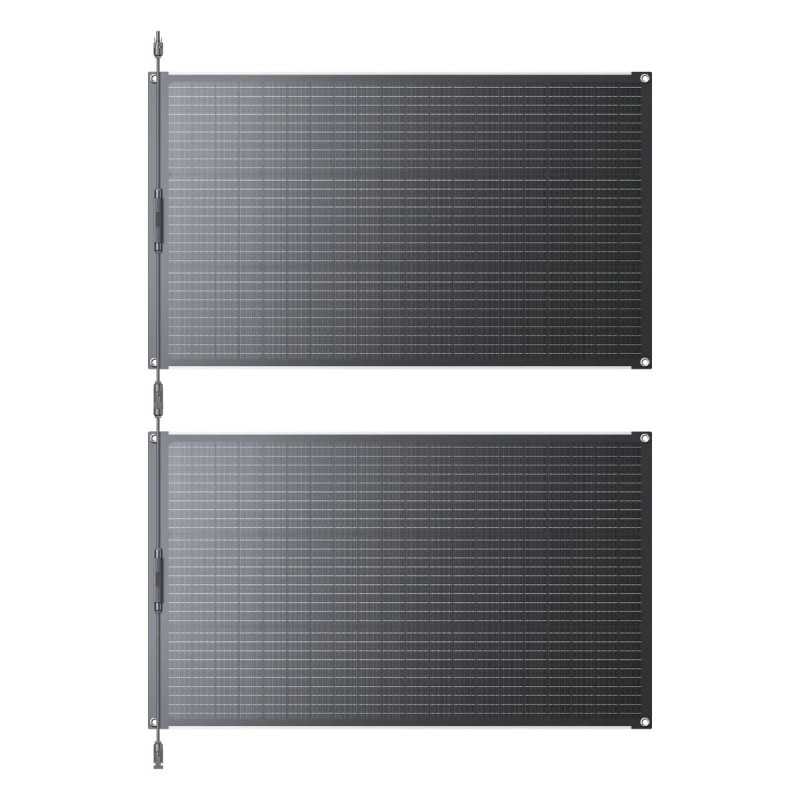
100 W maximum power output for charging portable power stations High energy conversion efficiency — 23.4% Flexible and slim design for uneven and curved surfaces Lightweight at 2.2 kg — ideal for cars, campervans, boats and outdoor trips Monocrystalline solar cells HPC lamination for weather protection Standard MC4 connector for easy connection Operating temperature range from -10°C to 65°C |
|
|

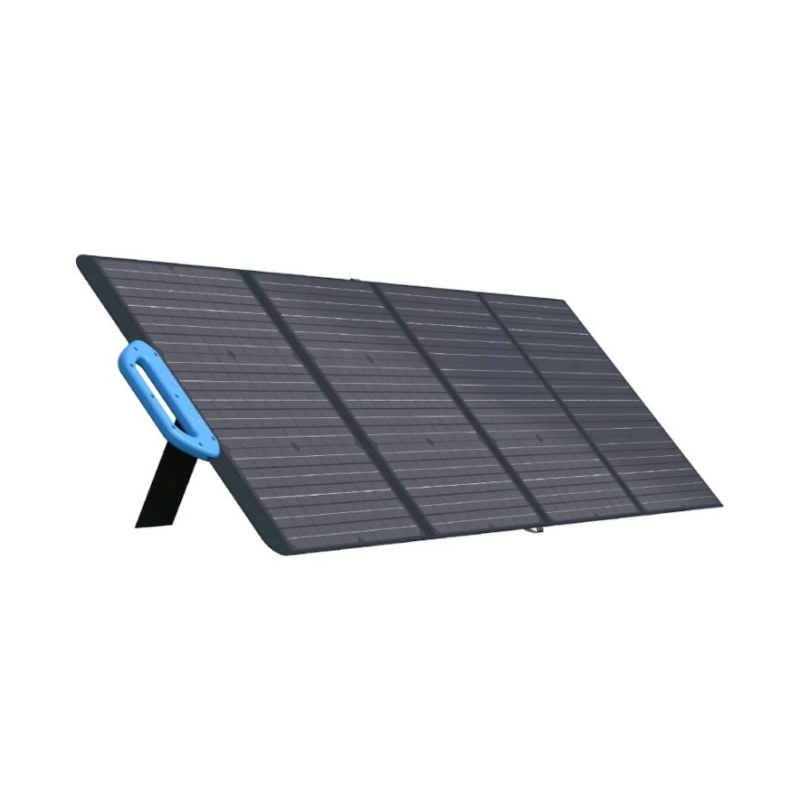
Foldable solar panel with a 200 W output for a mobile and flexible power supply. Monocrystalline solar cells with up to 23.4% efficiency for efficient charging. Robust ETFE coating and IP65-rated junction box for outdoor use. MC4 connector for high compatibility with many power stations and solar generators. Easy to transport at just 7.3 kg, with a handy kickstand for quick setup. Ideal for camping, the garden, the balcony, road trips and off-grid energy applications. |
|
|

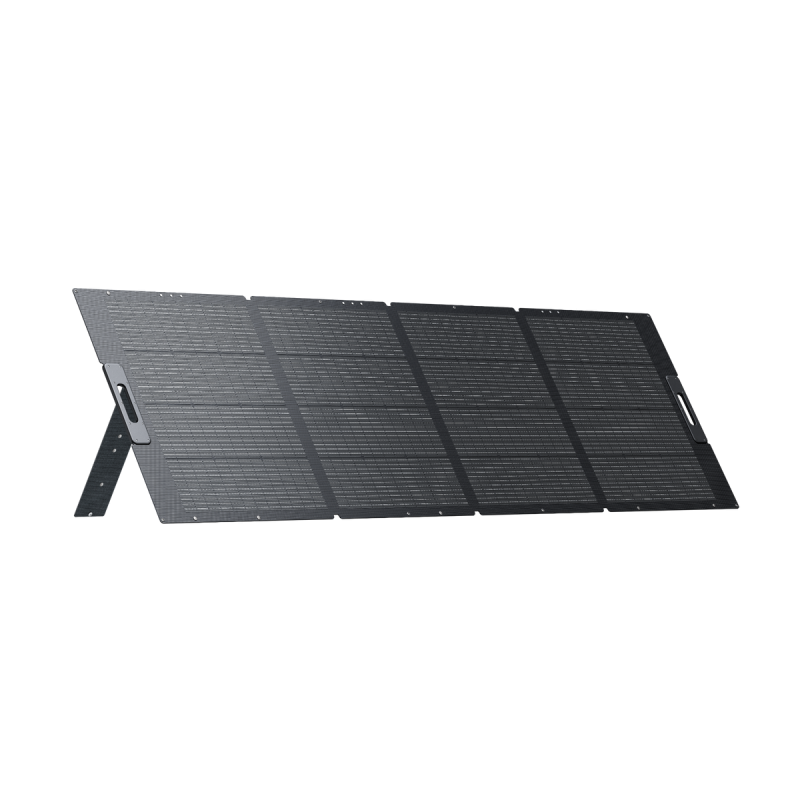
Foldable solar panel with a 350 W output for a powerful mobile power supply. Monocrystalline solar cells with up to 23.4% efficiency for efficient charging on the go. ETFE coating and standard MC4 connector for robust use and broad compatibility. Voltage at maximum power 37.5 V and current at maximum power 9.2 A. Compact and foldable, with 4 segments and weighing just 13.9 kg for easy transport. Ideal for camping, travel, the garden, backup power and use with portable power stations. |
|
|

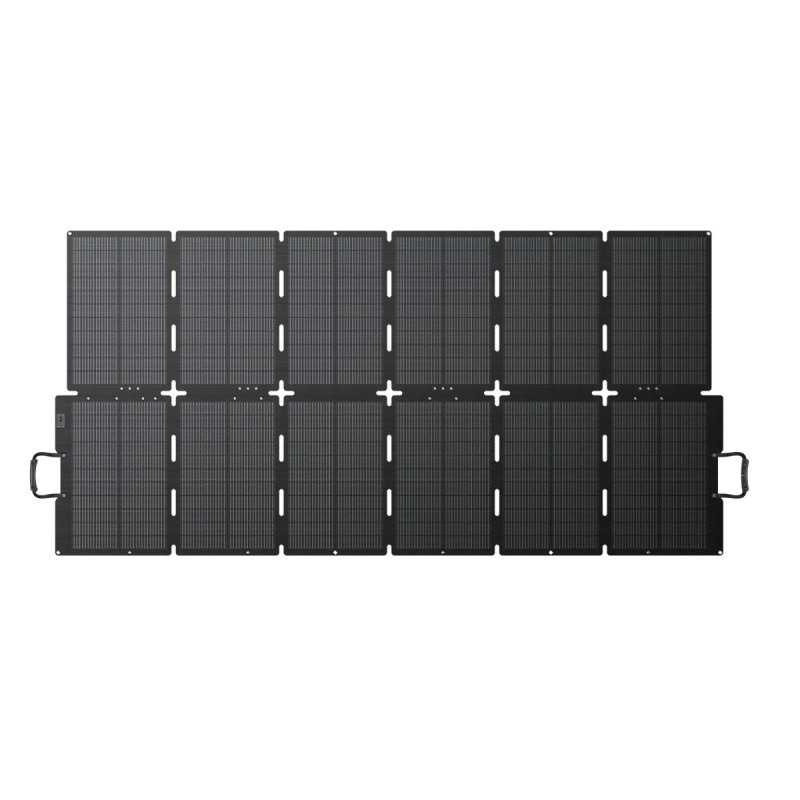
500 W maximum power for fast solar charging Conversion efficiency up to 25% N-type monocrystalline technology Foldable design for transport and outdoor use ETFE coating for easy maintenance and better protection IP67 — dust and water protection Standard MC4 connector for wide compatibility 12 panel sections included Weight 12.9 kg and folded dimensions 570×445×85 mm |
|
 Expert advice
 On-time delivery
 Technical Support
 Secure payment
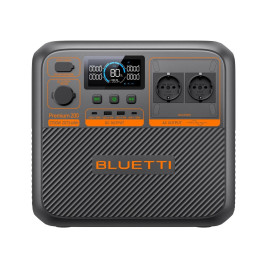
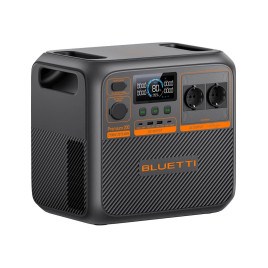
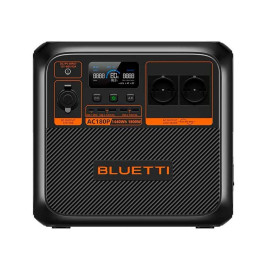
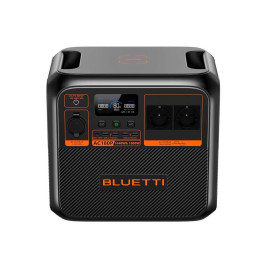
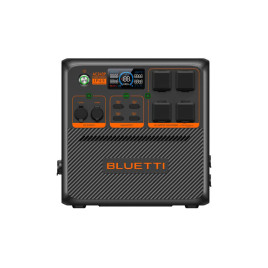
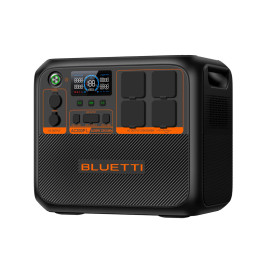
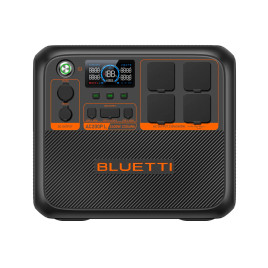
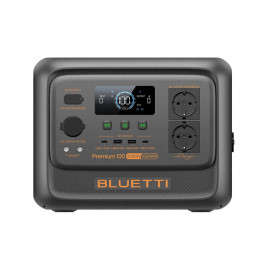
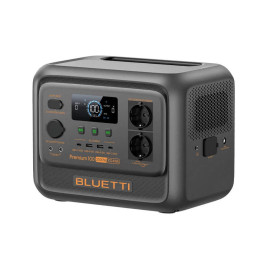
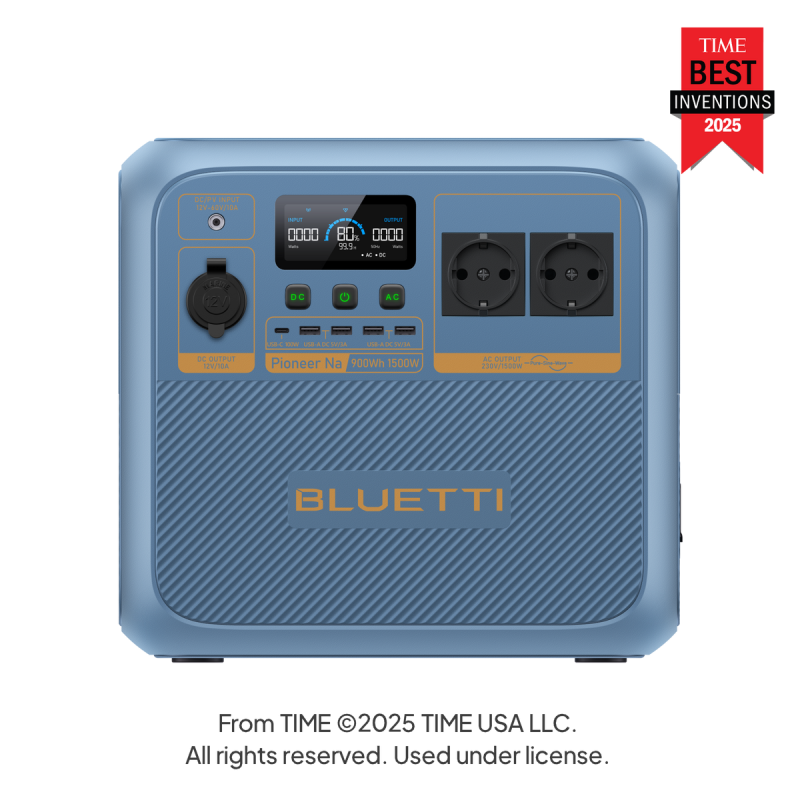
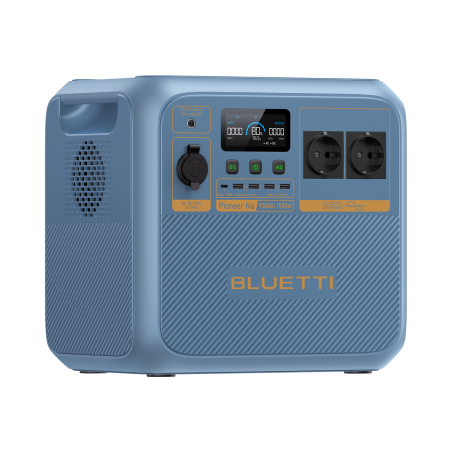
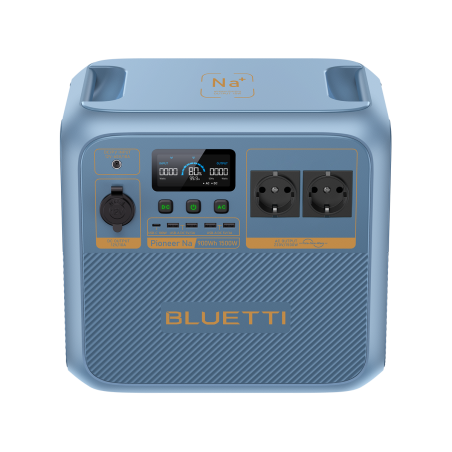
The BLUETTI Pioneer Na is a portable power station with a capacity of 900 Wh and a rated power of 1500 W, but its main selling point isn’t the figures, but the type of battery. It uses sodium-ion cells, and the manufacturer, BLUETTI, explicitly markets the model as a solution for those who need a stable power supply in cold conditions and on the go, where LiFePO4 or classic lithium power stations sometimes start to lose their edge.
Based on its specifications, the Bluetti Pioneer Na is best suited for three typical tasks.
The first is as a backup power supply in a flat or house, when you need to keep the internet, lighting and work devices running. Here, the 230V sockets, USB charging and the ability to operate in UPS mode come in handy.
The second is trips, camping and working on the go. The 900 Wh capacity is a comfortable mid-range option that doesn’t turn into a heavy box like 2 kWh stations, but also doesn’t run out too quickly like small 250–500 Wh models.
Thirdly – cold conditions. The manufacturer claims it can operate down to -25°C, whilst charging is possible down to -15°C. This is precisely what sets this model apart from many power stations that require warmer conditions in winter, or at least time to warm up.
The inverter’s rated power is 1500 W; it is a pure sine wave inverter. This is important if you’re connecting not just chargers, but also equipment with power supplies, motors, or simply sensitive devices that don’t like a rough voltage waveform.
Lifting Power of 2250 W is specified separately. This is useful for devices with a start-up surge, when for a second or two more watts are needed than the operating mode rating. This does not mean that the station has to constantly draw 2.25 kW, but it does mean that it will handle some of the more demanding start-ups more smoothly.
900 Wh is an energy reserve which, in real life, will always be slightly lower at the 230 V output due to inverter losses. The most straightforward way to estimate this is simple: take the device’s power consumption in watts, divide the energy by that figure, and then factor in a margin for losses.
As an example to illustrate the scale. A 100 W load means several hours of comfortable operation. A 500 W load is significantly less, closer to a short session lasting a couple of hours. It is important to note that the Pioneer Na is more about a stable domestic power reserve and mobility than about long-term power for powerful heaters.
When it comes to the outputs on the Bluetti Pioneer Na charging station, everything looks pragmatic.
There are two 230 V sockets with a combined power output of up to 1500 W. There is one 100 W USB-C port – this is important because 100 W via Type-C allows most modern laptops to be powered normally without adapters.
There are four 15W USB-A ports – for phones, headphones, torches and small electronics. There is a 12V 10A car socket. And there is 15W wireless charging, which is handy when you just want to pop your phone on top and not have to hunt for a cable.
The Pioneer Na supports very fast charging from the mains. The maximum AC input is 1400 W, and it claims 80 per cent charge in 45 minutes within a comfortable temperature range. This is exactly the kind of situation where the station is well-suited to short power windows – you can quickly top up your battery and avoid spending half a day plugged into a socket.
There is a solar input of up to 500 W – the marketing materials mention a full charge in approximately 2.3 hours under ideal conditions, but in real life this is affected by the sun, the angle of the panels and the temperature. Even so, 500 W is a strong figure for a station of this class.
An interesting detail is the AC charging + bypass mode up to 2300 W. This refers to a scenario where the station can supply power to the load whilst charging itself in parallel, and do so with a large input margin.
Charging from a 12 V or 24 V car battery is also supported. This isn’t the fastest method, but it’s useful as a backup when on the road.
The Pioneer Na features a UPS function with a 20 ms battery switchover. In everyday use, this means that the internet, laptop, lighting and other essential items are unlikely to experience a power cut, or will experience only a minimal interruption, depending on the specific device. Support for pass-through charging has also been confirmed, which is particularly important for such a scenario.
The battery is rated for 4,000+ cycles down to 70 per cent of its initial capacity. This is an impressive figure, suggesting a long service life with regular use.
The manufacturer also highlights the environmental aspect – sodium-ion cells do not rely on rare metals such as lithium and cobalt. For the user, this isn’t directly about performance, but about why the brand is promoting this particular chemistry as promising.
The station weighs 16 kg and measures 340 x 247 x 317 mm. It is no longer ultra-portable, but for a 900 Wh battery and a 1500 W inverter, the weight seems reasonable. It is controlled via a smartphone using Bluetooth.
The BLUETTI Pioneer Na looks like a power station for people who need reliability in cold conditions and very fast recharging from the mains, but without moving into the heavy-duty class of 2 kW and above. It delivers 1500 W of pure sine wave power, practical 100 W USB-C ports, a solar input of up to 500 W, a 20 ms UPS, and a long claimed cycle life. If your key priorities are internet access, work, basic household appliances, trips and winter use, this model is the perfect fit.
Data sheet
Specific References
Operation at low temperatures: The sodium-ion battery retains its performance in extreme conditions. Charging at -15 °C, discharging down to -25 °C.
1,900 W fast charging: Charges to 80% in 35 minutes when combining mains AC power and solar energy.
High performance: Rated power 1,500 W, peak power 2,250 W. Supports the operation of most household electrical appliances.
Comprehensive safety: Multi-level AI-BMS protection system and structural stability of sodium cells.
Durability: Over 4,000 charge cycles, ensuring up to 10 years of regular use.